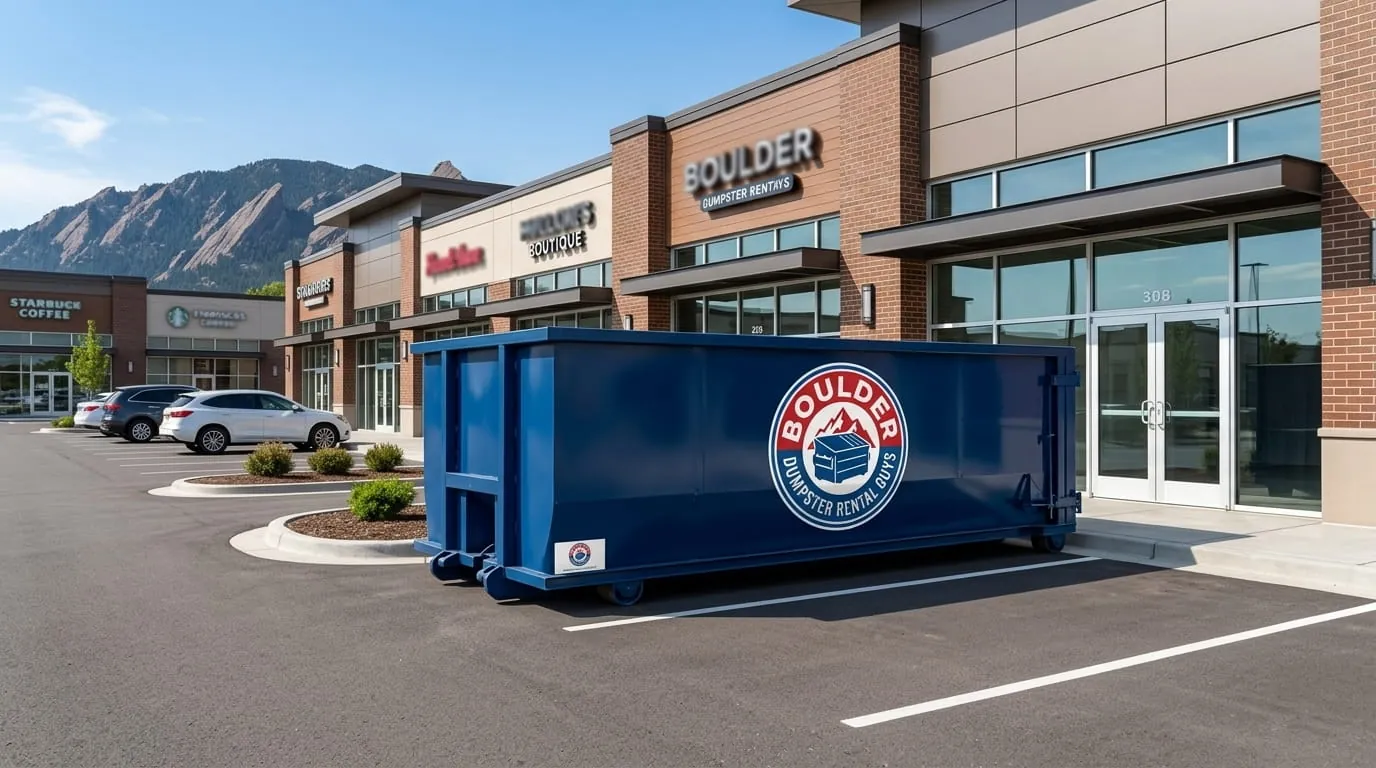
I have been dropping roll-offs on Front Range jobsites for a long time, and the single biggest headache I see is not the tear-out itself. It is what happens to the pile afterward. Construction and demolition debris, what the industry calls C&D, gets treated like one big undifferentiated mess. It is not. Handle it as one mess and you overpay, you get fined, and you blow past a weight limit you never saw coming. Handle it with a little bit of a system and the whole thing goes smooth.
This is the guide I wish more of my customers read before they called. It covers how to sort your debris, which bin actually fits the job, why weight matters more than volume around here, and what Colorado and Boulder County expect from you when the dust settles.
Sort First, Haul Second
Sorting is where the money is. A mixed load costs more to process because somebody downstream has to pick it apart, and a lot of that cost lands back on you. Separate your materials on site and you cut disposal fees, you recover recyclables, and you keep the clean stuff clean. Here is how the major streams break down on a typical remodel or new-build.
Wood
Framing lumber, plywood, OSB, pallets, and trim make up a huge share of most jobs. Clean, untreated wood is one of the easiest things to divert. A lot of it gets ground into mulch or biomass. Keep it separate from painted, stained, or pressure-treated wood, because treated lumber carries chemicals and usually has to go to the landfill rather than a grinder. If you are not sure whether a board is treated, look for the greenish tint or the incising marks and set it aside.
Drywall
Gypsum board is heavy, dusty, and awkward. New, clean drywall scrap from a hang-and-finish job can sometimes be recycled back into new board or used as a soil amendment. Old drywall that has been painted, or that came out of a wet or moldy wall, is a different animal and generally heads to the landfill. Bag the dust and small pieces so they do not blow around, and never let drywall get soaked in the bin. Wet gypsum turns into a slurry that weighs a ton and stinks.
Metal
This is the one material I tell everybody to pull out no matter what. Copper wire, steel studs, ductwork, rebar, appliances, aluminum flashing, old pipe. Scrap metal has real value, and most scrap yards along the Front Range will pay you for it or at least take it free. Throwing metal in a general debris bin is throwing money in the trash. Set up a dedicated pile or a small container and it adds up fast on a demo.
Roofing
Tear-off shingles are deceptively heavy, and asphalt roofing is one of the classic weight-limit killers. A single layer off an average house can run several tons. Some facilities recycle asphalt shingles into road base and pavement, which is worth asking about. Keep shingles separate from nails and underlayment where you can, and plan for weight, not volume, because a bin looks half empty long before the scale says stop.
Concrete, Brick, and Masonry
Concrete, block, brick, stone, and asphalt chunks are the heaviest materials on any site and they get their own rules. This is inert, clean fill that recyclers love because it crushes down into aggregate and road base. But it is dense enough that it will overload a standard roll-off in a hurry. Broken-up sidewalk or a demoed foundation belongs in a dedicated heavy-debris arrangement, not mixed in with your wood and drywall. If your job is mostly rubble, that changes the whole conversation about which bin you order.
Roll-Off vs. Heavy-Debris Bin: Pick the Right Tool
Here is the distinction that trips people up more than any other. A standard roll-off dumpster is sized by volume: 10, 15, 20, 30, and 40 cubic yards. That number tells you how much space you have, not how much weight you are allowed to put in it. For a mixed remodel, a general construction dumpster rental in a 20 or 30 yard size is usually the right call. It gives you room for bulky-but-light material like framing, cabinets, insulation, and packaging.
Dense material is a completely different problem. If you are hauling concrete, dirt, brick, roofing, or heavy tile, a big roll-off is actually a trap, because you will hit the weight ceiling when the box is a third full and the rest of the volume is wasted. For those loads you want a smaller dedicated bin built for the tonnage. That is what our concrete and heavy debris service is for: a right-sized container and a haul rate that assumes weight, so you are not paying overage after overage.
The short version. Light and bulky, go big on volume. Heavy and dense, go small and dedicated. Mixing the two in one giant box is the most expensive way to do it.
Weight Limits and Why They Bite in Colorado
Every roll-off comes with an included tonnage allowance, and going over it triggers overage charges billed by the ton. This matters more here than a lot of newcomers expect. Front Range soil is rocky and heavy, our demo often involves a lot of concrete and flagstone, and roads have legal weight limits that a truck cannot exceed no matter what you paid. If a box is loaded past what the truck can legally carry, we physically cannot haul it until some comes off, and that is a wasted trip nobody wants.
A few habits keep weight from surprising you. Do not fill a large bin to the top with heavy material. Load flat and even so the box does not overload on one axle. Keep the debris below the fill line, because an overheight load cannot be tarped and legally transported. And keep dirt, sod, and concrete out of your general bin unless you cleared it first. When in doubt about tonnage on a heavy job, call and describe what you are throwing. It costs nothing to ask and it saves the overage.
Not sure which bin fits your debris or how the weight shakes out? Call Boulder Dumpster Rental Guys at (970) 601-7836 and we will size it right the first time.
Colorado Disposal Rules and Boulder County C&D Requirements
Colorado handles most solid waste at the local and county level, so the rules you actually deal with depend on where the job is. Statewide, a few things are constant. Certain materials are banned from regular landfills and cannot go in your dumpster: paint and solvents, automotive fluids, batteries, electronics in many jurisdictions, appliances containing refrigerant, tires, and anything hazardous. Those need their own disposal channel. When in doubt, keep it out of the bin and ask.
Boulder County takes construction waste seriously, and this is where local operators earn their keep. The county and the City of Boulder have building and demolition standards aimed at keeping recyclable and reusable C&D material out of the landfill. In practice that means projects of a certain size are expected to divert a meaningful share of their debris, and permitted work may require documentation showing where the material went. Clean concrete, asphalt, scrap metal, clean wood, and cardboard are the usual targets for diversion because there are established markets for all of them.
What does that mean for you on the ground? It means the sorting we already talked about is not just about saving a few bucks. On a permitted Boulder job it may be part of staying compliant. Pulling your metal, keeping your concrete clean, and separating clean wood is exactly the behavior these rules reward. If your project is inside city or county limits, check the current requirements with the building department before demo day, because thresholds and paperwork change and I would rather you hear the specifics from the authority than guess from a blog. When you rent from a local outfit, tell us it is a permitted job. We can steer clean loads to recycling facilities instead of the landfill and help you keep the trail you need.
Jobsite Safety Around the Bin
Debris disposal is also where a lot of avoidable injuries happen, so a word on that. The bin itself should sit on solid, level ground, ideally on boards if it is going on a nice driveway, and clear of overhead power lines because the truck arms swing high. Keep a walking path around it and do not let the area turn into a trip hazard of loose offcuts and fasteners.
When you load, watch these:
- Lift with your legs, and get a second person for anything awkward or over about fifty pounds. Drywall sheets and countertops hurt people every year.
- Wear gloves, eye protection, and hard-soled boots. Exposed nails and jagged metal are everywhere in a demo pile.
- Keep a mask on for drywall dust, old insulation, and anything that might contain silica from cutting concrete or masonry.
- Never climb inside the box to stomp debris down. If it is not settling, that is a sign the bin is getting full, not a reason to get in it.
- Load heavy items low and toward the center, lighter material on top, and do not build a pile above the rim.
Older Front Range homes deserve extra caution. Anything built before the late 1970s can hide asbestos in flooring, popcorn ceilings, pipe wrap, and old mastic, and lead paint is common too. Those materials are not do-it-yourself debris. They require testing and licensed abatement, and they absolutely do not go in a standard dumpster. If your remodel is on an older house, get it tested before you start swinging a hammer.
Putting It Together
Good C&D disposal is not complicated once you have the framework. Sort your streams so wood, drywall, metal, roofing, and concrete each go where they belong. Match the container to the material, using a roll-off for bulky mixed debris and a dedicated heavy-debris bin for the dense stuff. Respect the weight limit, because on the Front Range weight is what stops the truck, not volume. Follow Colorado's landfill bans and Boulder County's diversion requirements, especially on permitted work. And keep the jobsite safe while you do it.
Do those things and you spend less, you stay compliant, and your project ends clean. If you want a hand figuring out the right setup for your specific job, or you just want to talk through a tricky heavy load, reach out and we will get you sorted.

Founder, Boulder Dumpster Rental Guys — sharing straight advice from more than 15 years of local hauling experience.
Frequently Asked Questions
Can I put concrete in a regular roll-off dumpster?
You can put small amounts of clean concrete in a standard roll-off, but a full load of it will blow past the weight limit long before the box is full. For any real quantity of concrete, brick, or masonry, order a dedicated heavy-debris bin sized for the tonnage. It is cheaper than paying overage on an overloaded roll-off, and we can steer clean concrete to a recycler.
What can't go in a construction dumpster in Colorado?
Hazardous and banned materials stay out of the bin: paint and solvents, automotive fluids, batteries, tires, appliances with refrigerant, and in many areas electronics. Asbestos and lead-containing materials from older homes require testing and licensed abatement, not a dumpster. When you are unsure about an item, keep it out and call us before it goes in.
Does Boulder County require me to recycle construction debris?
Boulder County and the City of Boulder have C&D diversion standards aimed at keeping recyclable material out of the landfill, and permitted projects over certain sizes may need to divert a share of their debris and document where it went. Requirements and thresholds change, so confirm the current rules with the building department for your project and tell us it is a permitted job so we can route clean loads to recycling.
How do I avoid weight overage charges?
Sort heavy material out of your general bin, load flat and even, keep debris below the fill line, and never mix a lot of concrete, dirt, or roofing into a large roll-off. Every bin comes with an included tonnage allowance and overages are billed by the ton. If your job is heavy, tell us up front and we will put you in a bin priced for weight.
Should I separate metal from the rest of my debris?
Yes, always pull metal. Copper, steel studs, ductwork, rebar, pipe, and appliances have scrap value, and most Front Range scrap yards will take them free or pay you. Metal thrown into a general debris bin is money in the trash and adds unnecessary weight. Set up a dedicated metal pile at the start of the job.